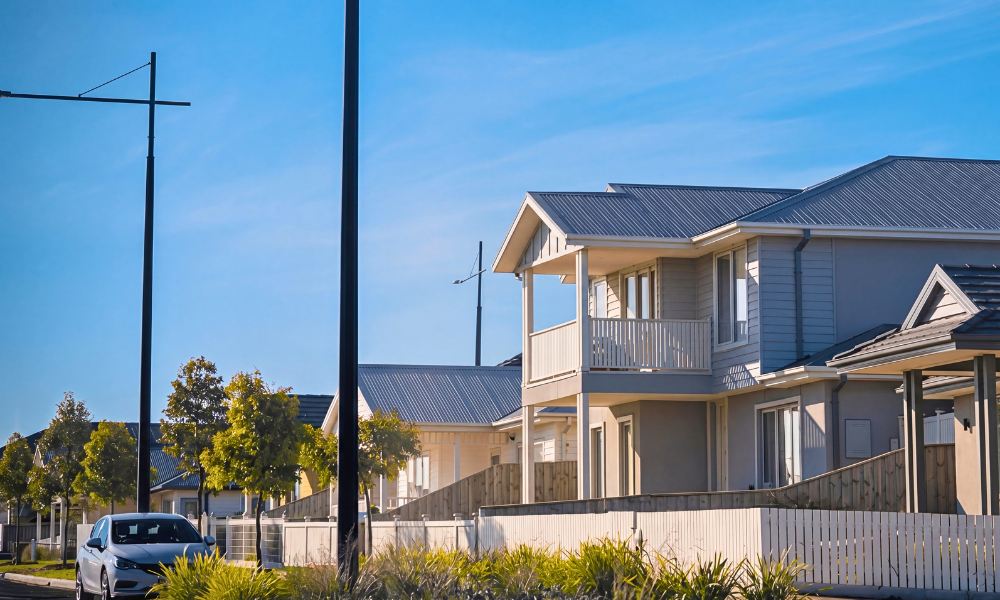
Property market trends continue to shape how buyers, sellers and investors approach real estate decisions. While housing demand remains strong in many areas, changing interest rates, affordability concerns and shifting lifestyle priorities are influencing the market in different ways.
Over the past few years, buyers have become more cautious with spending as borrowing costs increased. Higher mortgage repayments have affected purchasing power, leading many people to reassess budgets, property types and preferred locations. Housing data from CoreLogic Australia continues to show how affordability pressures are influencing buyer activity across different regions.
At the same time, limited housing supply in some suburbs has continued to place pressure on property prices despite broader economic uncertainty.
First home buyers remain active in the market, although many now look beyond inner city locations in search of more affordable options. Regional areas and outer suburban communities continue attracting attention due to larger properties, lower prices and lifestyle flexibility. Remote and hybrid work arrangements have also encouraged more people to prioritise space and work life balance when choosing where to live.
Why Demand Remains Strong
Population growth and low rental vacancy rates continue supporting housing demand. In many cities, renters face increasing competition for available properties, pushing some households to consider purchasing sooner rather than later. Investors have also returned to the market in certain areas due to rising rental yields and strong tenant demand.
At the same time, construction costs remain a major challenge across the property sector. Builders and developers continue facing higher material costs, labour shortages and project delays. These pressures have contributed to slower housing supply growth, particularly in areas already experiencing strong population increases.
Real estate agents are also noticing changing buyer preferences. Energy efficient homes, updated outdoor spaces and properties with flexible layouts have become more appealing to buyers who spend more time working from home. Modern apartments close to transport and lifestyle amenities also remain popular among younger professionals.
Investors Continue Watching The Market
Investors continue monitoring property market trends closely as economic conditions evolve. While some buyers remain cautious due to interest rates, others view current conditions as an opportunity to secure long term assets before future market shifts.
Financial experts often encourage buyers and investors to focus on long term affordability rather than short term market movements. Loan repayments, maintenance costs and future financial stability all play important roles when purchasing property.
Technology has also changed how people search for homes. Online inspections, digital contracts and property apps have made the buying process faster and more accessible. Buyers now research suburbs, compare prices and inspect properties virtually before attending in person.
As the property market continues evolving, buyer behaviour will likely remain influenced by affordability, housing supply and lifestyle priorities. While market conditions may shift over time, demand for well located and practical homes continues driving activity across the real estate sector.
Leave a Reply